Blog
Foam Components for Automotive Applications: What Engineers Should Consider
Learn how PU, EVA and XLPE foam components can be developed for automotive sealing, cushioning, insulation, protection and interior applications.
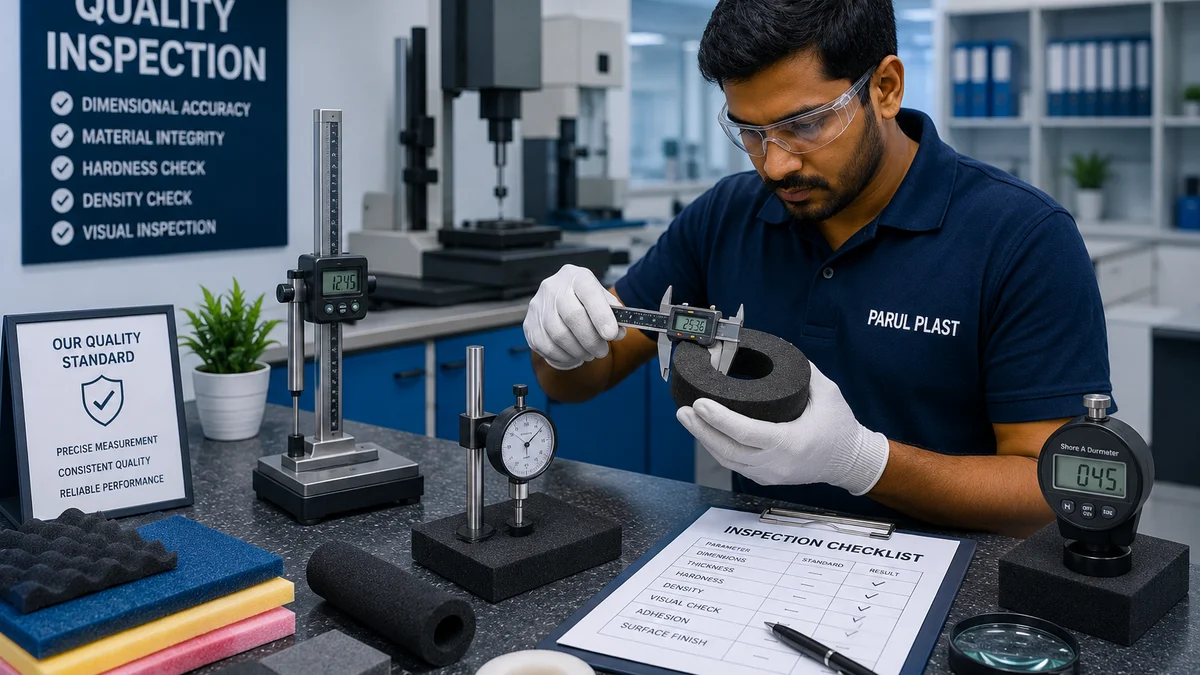
Foam components are used throughout automotive assemblies for cushioning, sealing, insulation, protection and interior applications.
Although many foam parts appear simple, their performance depends on material selection, component geometry and manufacturing quality.
Where Are Foam Components Used?
Foam components can be developed for a wide range of automotive applications, including:
- Interior trim components
- Sealing elements
- Cushioning pads
- Insulation components
- NVH-related components
- Protective components
- Filter-related components
The exact material and construction depend on the application.
Selecting the Right Foam
Different applications require different characteristics.
PU foam may be considered where flexible cushioning or similar properties are required.
EVA foam can be considered for lightweight closed-cell cushioning, sealing and protection.
XLPE foam may be considered where insulation, cushioning and protection are important.
The right selection should be based on the actual assembly and operating requirements.
Component Geometry Is Important
Automotive foam parts frequently need to fit into defined spaces.
A component may require:
- Complex outlines
- Holes and cut-outs
- Multiple layers
- Adhesive backing
- Specific thickness
- Repeatable dimensions
This makes accurate conversion and inspection important.
From Sample to Production
A practical development process can begin with either a drawing or an existing sample.
The manufacturer can then review:
- Component geometry
- Material requirement
- Thickness
- Assembly method
- Production quantity
- Required secondary operations
A prototype or initial sample can then be evaluated before repeat production.
One Source for Multiple Components
Automotive manufacturers may require several material types within the same assembly.
A supplier capable of handling foam, rubber and non-woven components can simplify sourcing.
Parul Plast manufactures foam and rubber components as well as die-cut and fabricated parts for automotive and industrial applications.
Quality and Repeatability
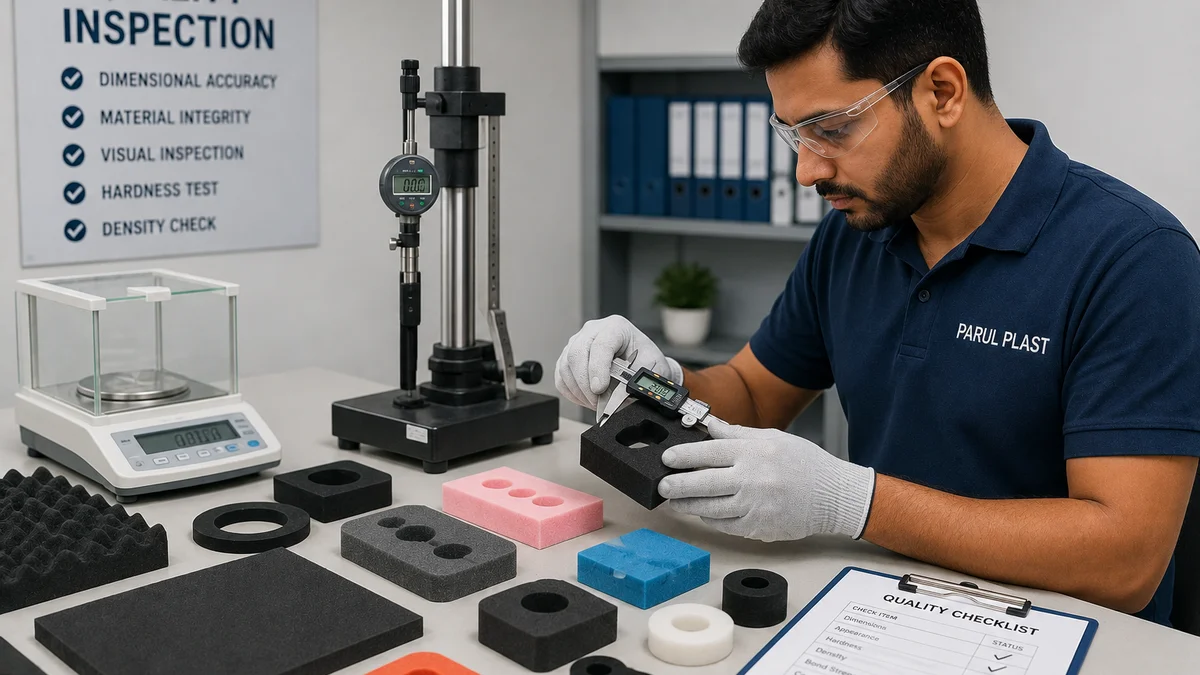
A component that fits correctly during development must continue to fit during production.
Consistent material conversion, controlled processes and inspection are therefore important parts of component manufacturing.
Working From Customer Requirements
Every application is different.
Rather than selecting a standard catalogue component, manufacturers can develop the part around the customer’s drawing, sample or specification.
Conclusion
Foam components can play an important role in automotive assemblies, but successful results depend on choosing the right material and manufacturing the component accurately.
Parul Plast supports custom foam and rubber component development for automotive and industrial requirements.
Related: Automotive applications · EVA foam products · XLPE foam products