Blog
Die-Cut Foam Components: From Customer Drawing to Finished Part
Learn how die-cut foam, rubber and non-woven components are developed from customer drawings and converted into repeatable industrial parts.
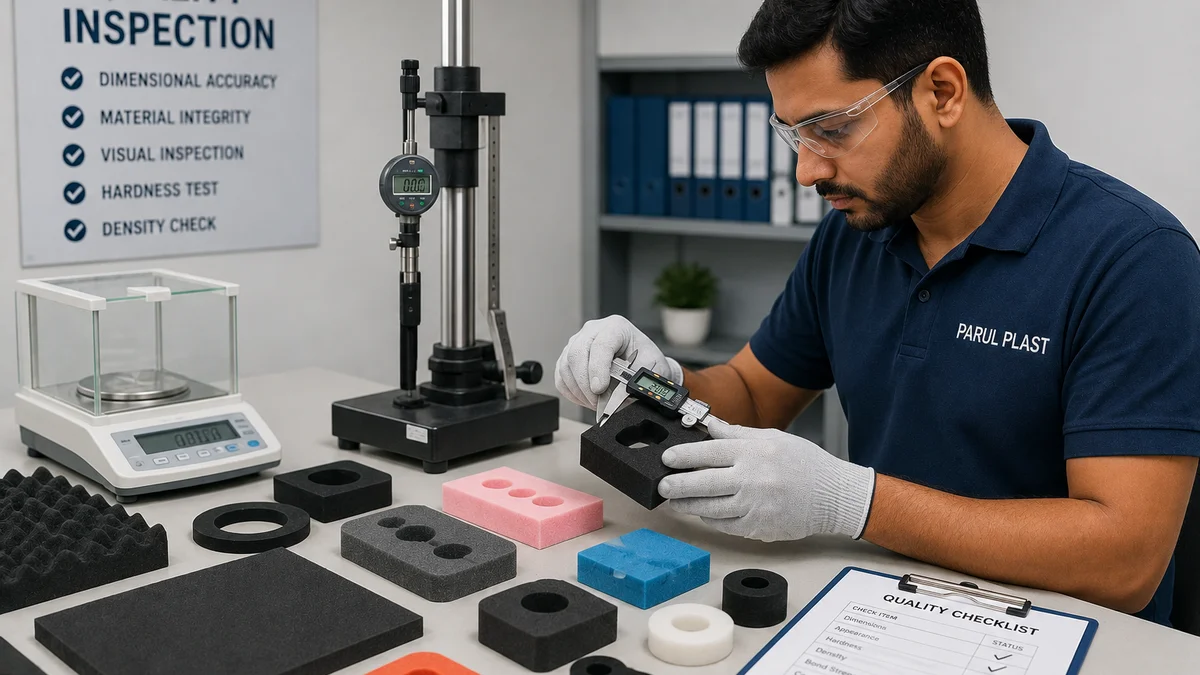
Many industrial components begin as a simple sheet of foam, rubber or non-woven material.
The challenge is converting that material into a finished part with the correct shape, dimensions and repeatability.
Die cutting is one of the most widely used conversion methods for producing these types of components.
What Is Die Cutting?
Die cutting uses a shaped cutting tool to produce a defined component outline from sheet material.
Instead of manually cutting every component, the same tool can be used repeatedly to produce consistent shapes.
This makes the process particularly useful for production components with repeatable geometries.
What Materials Can Be Die Cut?
Depending on the application, die-cut components can be produced from materials such as:
- PU foam
- EVA foam
- XLPE foam
- EPDM rubber
- Felt
- Non-woven materials
The appropriate material depends on the function of the finished component.
What Can Be Manufactured?
Die-cutting can be used to manufacture:
- Gaskets
- Pads
- Seals
- Insulation pieces
- Protective inserts
- Filter components
- Non-woven components
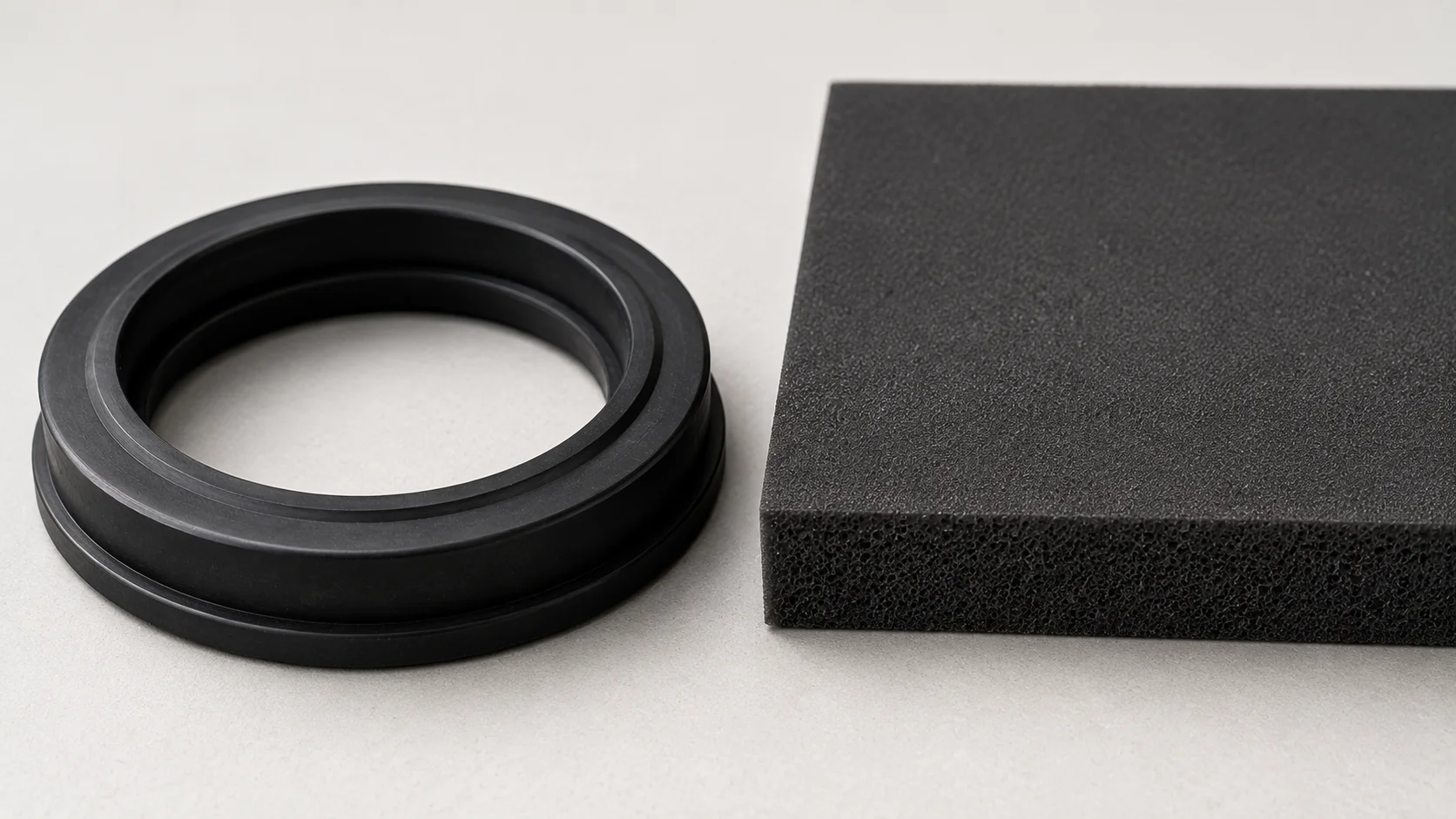
- Custom-shaped foam parts
Complex shapes can include holes, cut-outs and internal features.
Why Use Die Cutting?
For repeat-production components, die cutting can offer several advantages:
Repeatable Shapes
A dedicated cutting tool allows the same component geometry to be reproduced across production runs.
Efficient Production
Once the cutting process is established, multiple parts can be produced efficiently from sheet material.
Material Flexibility
Different foam, rubber and non-woven materials can be converted depending on the requirement.
Custom Geometry
Components can be developed around customer drawings or samples rather than limited catalogue shapes.
From Drawing to Finished Component
A typical development process includes:
- Requirement review
- Material selection
- Die design and cutting
- Secondary operations
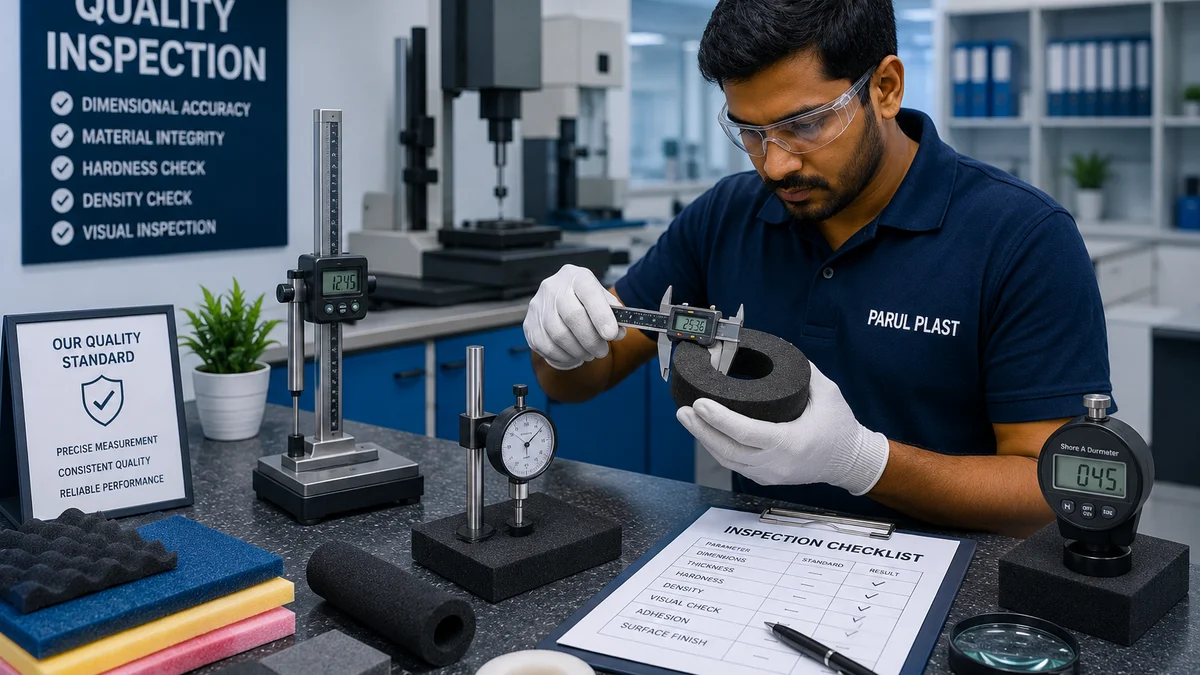
- Inspection
- Packing and dispatch
The actual process depends on the component and material.
Beyond Cutting
Some components require additional operations after die cutting.
These may include:
- Lamination
- Adhesive application
- Bonding
- Assembly
- Fabrication
- Finishing
Combining these operations can simplify sourcing for customers who require a ready-to-use component.
Choosing a Die-Cutting Partner
When selecting a manufacturer, look beyond the cutting machine.
Consider whether the supplier can support:
- Material selection
- Drawing review
- Prototype development
- Tooling
- Secondary operations
- Quality inspection
- Repeat production
- Packaging
Conclusion
Die cutting is a practical manufacturing method for converting foam, rubber and non-woven sheets into repeatable custom components.
At Parul Plast, components can be developed from customer drawings, samples or specifications.
Related: Die-cut components · EVA foam products · EPDM rubber products