Blog
XLPE Foam for Insulation and Protection: Applications and Component Design
Learn how XLPE foam is used for insulation, cushioning, protection and custom components, including die-cut and fabricated foam parts.
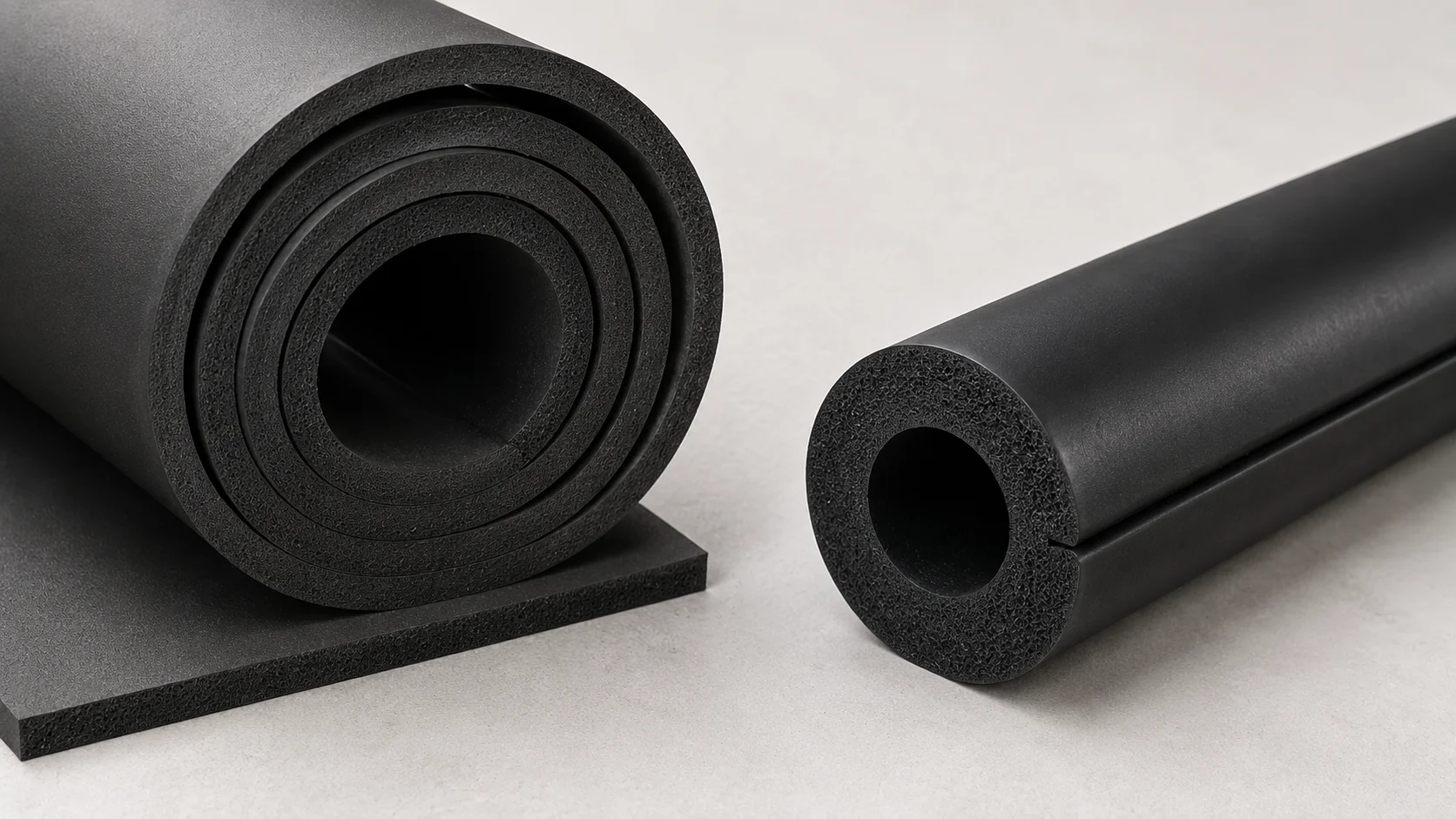
XLPE foam is a cross-linked polyethylene foam with a fine closed-cell structure. It is used in applications where lightweight cushioning, insulation and protection are important.
For manufacturers, however, selecting the material is only the beginning. The foam must also be converted into a component that fits the final assembly.
Why Is XLPE Foam Used?
XLPE foam can provide a combination of lightweight construction, cushioning and insulation.
Its closed-cell structure makes it useful in applications where protection from contact, vibration or environmental exposure is required.
Common Applications
XLPE foam can be converted for several types of industrial applications, including:
- Insulation components
- Protective packaging
- Cushioning pads
- Sealing components
- Automotive components
- Industrial components
The final suitability depends on the specific material grade and application conditions.
XLPE Sheets and Custom Components
XLPE is available in sheet forms that can be converted into custom-shaped parts.
Depending on the requirement, manufacturing processes may include:
- Die cutting
- Lamination
- Bonding
- Profiling
- Fabrication
This allows a sheet material to become a finished component designed around the customer’s assembly.
Why Component Design Matters
A foam component may look simple, but the finished part can include:
- Multiple cut-outs
- Mounting holes
- Complex outlines
- Adhesive backing
- Multiple layers
- Specific thickness requirements
The manufacturing process therefore needs to consider both the material and the final component design.
XLPE for Protective Packaging
XLPE can also be converted into protective packaging components.
Custom-cut foam inserts can be developed around the shape of a product or component, helping separate and protect parts during handling and storage.
Material Selection Should Start With the Application
There is no single foam material that is suitable for every application.
Before selecting XLPE, consider:
- Required function
- Component dimensions
- Required thickness
- Assembly method
- Environmental conditions
- Production requirements
A sample or technical drawing can make this evaluation much easier.
Parul Plast Foam Conversion
Parul Plast manufactures foam components using conversion processes such as die cutting, lamination, bonding and fabrication.
The objective is to convert sheet or foam material into consistent components according to customer requirements.
Conclusion
XLPE foam can be a useful material for insulation, cushioning and protection applications.
The best results come from combining appropriate material selection with accurate component design and controlled manufacturing.
Related: XLPE foam products · HVAC applications · Lamination capability